Impact
What happens to oil after the fryer, and which part of that road is ours.
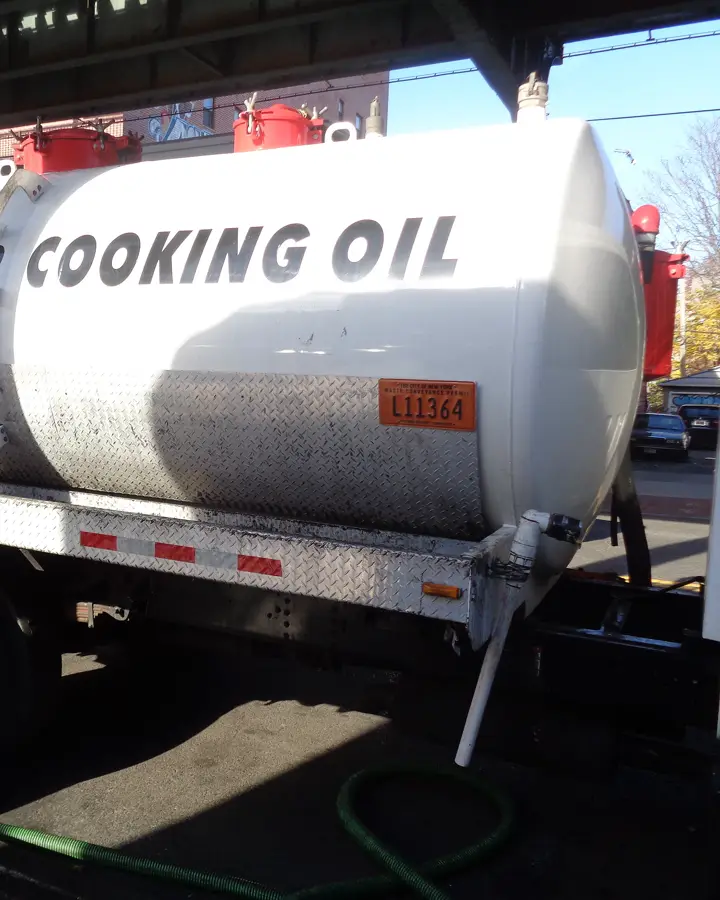
In a commercial kitchen, frying oil gets changed every few days. For a long time that used oil was a problem: you paid someone to haul it away, or it ended up where it should not.
Today it is feedstock. Once filtered to take out water and impurities, it is one of the inputs for biodiesel and renewable diesel plants. The same goes for the corn oil that comes out of ethanol plants, and for animal fats.
We sit in the middle. We buy those oils and fats, along with crude soybean oil, and move them by tank truck or ISO tank to the plant that will use them, inside the United States.
We do not make the fuel and we do not collect credits for it. We do not publish tonnes of CO2 avoided either, because we do not measure them. What we can show for every load is where it came from, how it tested and who received it.
What travels with every load
- Origin
- US-origin material, with its origin paperwork.
- Analysis
- Certificate from an independent lab chosen by both parties.
- Contract
- Standard contract that refers to AFOA rules.
- Transport
- Tank truck or ISO tank, with its bill of lading.
We follow the rules that drive this market in this note. How we commit to work is in Conduct and compliance.
Get in touch
Tell us what you need. One of the owners will reply.